

I Sat Quietly and Took Notes
What I overheard at a neighbor gathering about HRT and perimenopause — and what I wish I'd had time to say.
How to Actually Balance Your Hormones: Tips, Myths, and What I'm Watching Right Now
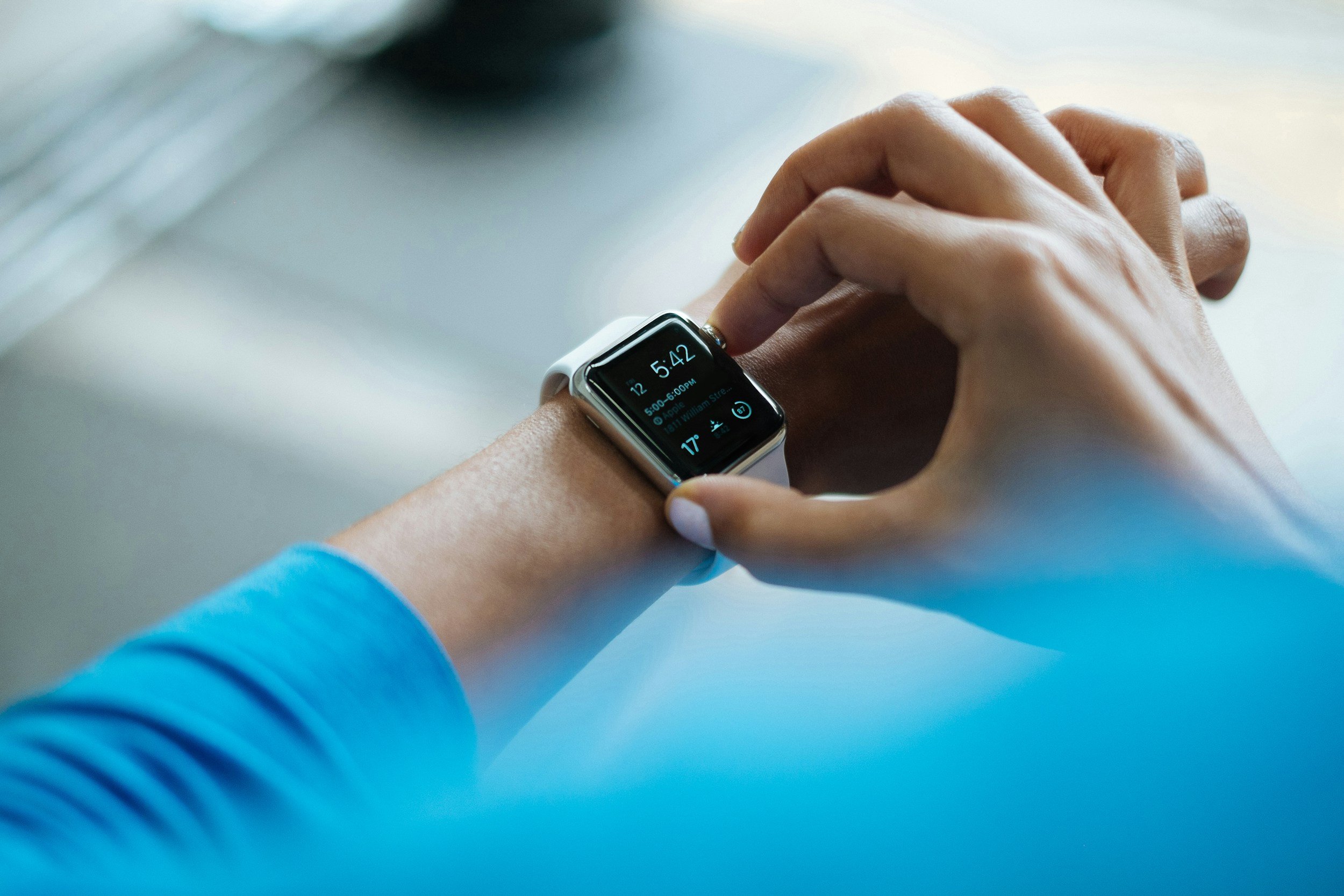
Wearables can't tell the whole story. This month's Hormone Hitlist covers why symptom tracking is one of the most powerful tools for hormone balance, why viral quick fixes don't work, and what's actually worth your time.

What if mindset is the missing piece
Your body can’t tell the difference between a bobcat in your backyard and a persistent anxious thought. In both scenarios, the physiological 'panic mode' is the same—and it's likely stalling your hormone progress. If you're doing all the 'right' things but the needle isn't moving, the missing piece might be the biology of the stories you're telling yourself. Let's look at how cortisol deprioritizes your health, and how two minutes of silence can change your reality.

Why Your Periods Are Heavy (and What to Do Besides Birth Control)
If your period feels more like a "murder scene" than a routine monthly cycle, you aren't alone. We’re unpacking the root causes of heavy bleeding—from iron deficiency to ovulatory dysfunction—and how to support your body holistically.

Your egg quality isn't doomed after 30
Your cycle can be regular and still not support optimal fertility or hormone balance. In this post, we explore why ovulation quality and luteal phase length matter, how to assess them, and what to do if something feels off.

My most valuable health hack
Meal planning isn’t hard—it’s mentally exhausting. A simple weekly meal schedule can dramatically reduce decision fatigue, ease mealtime stress, and help you nourish yourself and your family without overthinking food every day.

Looking back on 2025…
As the year winds down, I’ve been reflecting on how much changed in 2025 — in my practice, my focus, and my own body. From gut healing to fertility support, from growth to forced rest, this year reinforced one core truth: the body speaks first. We just have to listen.

Your Cycle Looks “Normal”… But This One Number Might Be A Problem
Ovulating isn’t the whole story. The length of your luteal phase plays a critical role in fertility, PMS, and overall hormone health. In this post, we break down why luteal phase length matters, how to identify it using temperature data, what causes it to shorten, and how to support progesterone naturally—whether you’re trying to conceive or simply want your body to feel more stable again.
Redefining Self-Care
Self-care has been marketed as bubble baths and indulgence. But real self-care looks a lot more like rest, nourishment, stress regulation, and community. Here’s how I reframed self-care after chasing the aesthetic — and what actually supports your hormones and well-being.

Two Routes, One Goal: Holistic Support vs. IVF in Your Fertility Journey
IVF is an incredible tool—but it’s not a magic wand. I recently worked with a client who had faced multiple miscarriages and a failed IVF cycle before we uncovered what no one else was addressing: her body wasn’t ready. By supporting her blood sugar, stress, and thyroid health, she conceived naturally—without another round of IVF. In this post, we explore what IVF can and can’t do, how holistic prep improves success, and why building your foundation first is one of the smartest fertility investments you can make.
Short cycles? Here’s why.
Ever noticed your period coming earlier than usual and wondered what’s going on? This month, my cycle clocked in at 24 days — and it turns out I had more control over that than I thought. Here’s how habits, stress, and even caffeine can shorten your cycle, what that means for your hormones, and simple ways to get back in balance.
HTMA: The Functional Lab Test Your Bloodwork Missed
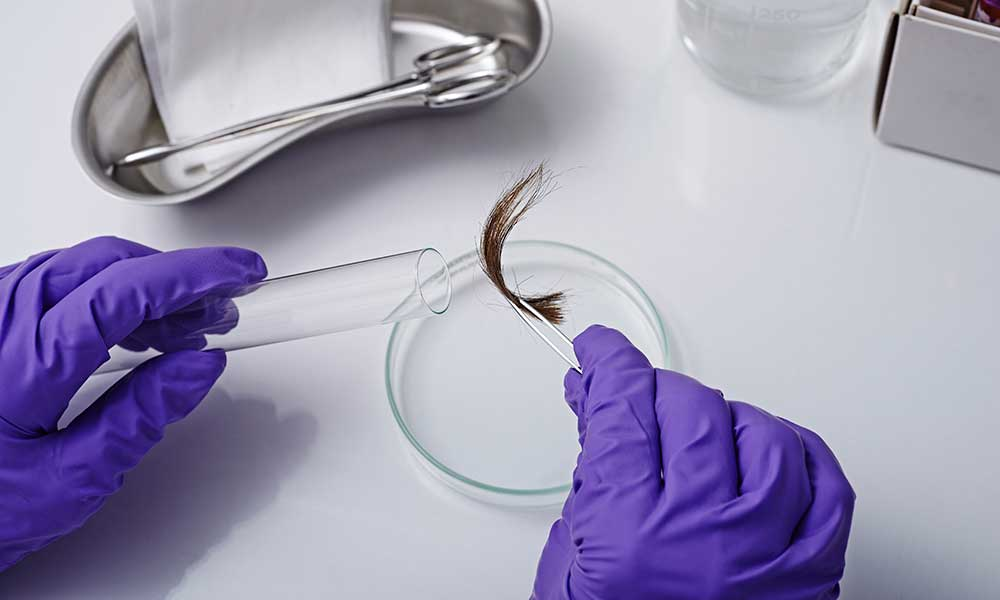
If you’ve ever felt “off” but your labs came back normal, the HTMA test might hold the missing piece. This non-invasive test analyzes mineral balance, stress response, and toxin exposure using a small sample of hair. It offers insight into your body’s metabolism, hormone health, and energy production over time. In this post, we break down what HTMA testing measures, why it matters, and how it’s used in Calibrate’s Mini Health Reset to help you feel your best again.
Food Fear, Wellness Culture & the Cost of Undereating
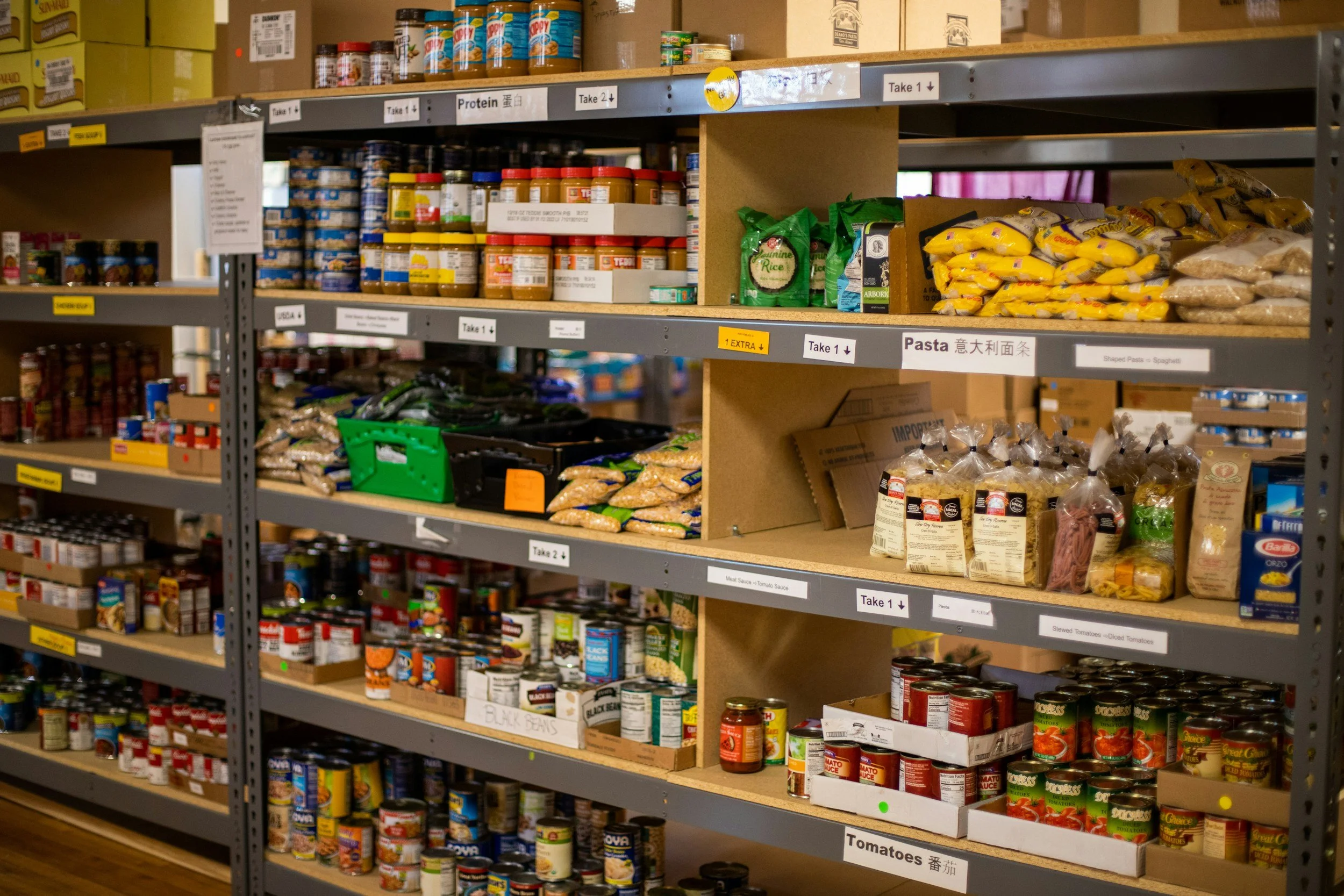
The impending pause of SNAP benefits has many thinking about food access—but undernourishment isn’t just an issue of scarcity. It’s also showing up in spaces of privilege, especially among women trying to do everything “right.” From slowed metabolism and hormone imbalance to anxiety and fatigue, chronic under-eating quietly erodes our health. In this post, we unpack how food fear took over wellness culture and what real nourishment actually looks (and feels) like.

PMS: What's normal and what's not
PMS is common—but not normal. From mood swings and bloating to fatigue and anxiety, these symptoms are your body’s way of signaling hormone imbalance, not punishment for being a woman. In this post, we break down what PMS really is, what’s happening hormonally, and how to manage it naturally through stress support, nutrition, blood sugar balance, and detoxification—without jumping straight to birth control.

Why Liver Detoxification Matters for Women’s Health
Your liver does so much more than process alcohol or medications—it’s the control center for your hormones. When it’s overworked or undernourished, symptoms like PMS, acne, and fatigue can start creeping in. Learn how to support your liver’s natural detox process (no teas required) and bring your hormones back into balance—naturally

Estrogen Dominance: What you need to know
Acne, bloating, fatigue, anxiety, weight changes—many women are told these are “just part of being a woman.” But often, the real issue is estrogen dominance. This doesn’t always mean estrogen is too high—it’s about the balance between estrogen and progesterone, and how well your body can metabolize and clear hormones. In this post, I break down what estrogen dominance actually is, common symptoms, root causes, and two key approaches to restoring balance naturally: supporting progesterone production and improving estrogen metabolism.

Vitex vs. Progesterone Supplements. What You Need to Know Before You Start.
Vitex and progesterone are two of the most common recommendations for women struggling with PMS, fertility issues, or perimenopause. But here’s the catch: they’re not one-size-fits-all solutions. In fact, using them at the wrong time—or without addressing why hormones are off to begin with—can sometimes make things worse. In this post, I break down how these tools actually work, when they might help, the risks you need to know, and the foundational steps to focus on before reaching for a supplement or prescription.

GLP-1s & Hormones: What Women Should Know Before Saying Yes
GLP-1 medications like Ozempic, Wegovy, and Mounjaro are everywhere right now—and while they can help with appetite control and short-term weight loss, they also come with tradeoffs for women’s health. Because these drugs suppress appetite, it’s easy to undereat, lose muscle, and miss critical nutrients—leading to worsened PMS, fatigue, hair loss, and hormone imbalance over time. In this post, we’ll unpack how GLP-1s work, why some women see improved fertility at first, and the risks of long-term use. Plus, simple ways to support your natural GLP-1 production—without depleting your hormones.

Why Standard Hormone Testing Misses the Mark (and What to Ask For Instead)
Ever gotten labs back that say everything is “normal,” but you know you don’t feel fine? That’s because standard hormone testing usually stops at estrogen and progesterone—and misses the bigger picture. Hormones don’t work in silos. Thyroid, stress, blood sugar, vitamin D, and iron all influence how you feel, cycle, and conceive. In this post, I’ll walk you through why the basics miss the mark, what a complete panel should include, and how to actually get answers that make sense for your body.

High Quality > Low Calorie (& Why “Zero Calorie” Isn’t the Win You Think It Is)
I overheard women at the zoo raving about a “zero calorie” candy—and it reminded me how deeply diet culture has wired us to fear calories. The truth is, low-calorie foods might fill your belly for a moment, but they don’t provide the raw materials your body needs to function. Over time, under-eating backfires: slowing metabolism, disrupting hormones, and even leading to weight gain, hair loss, and anxiety. In this post, I break down why quality always beats calorie counts—and how to shift toward nourishment that actually supports your body long-term.